In the ever-evolving world of cloud computing, the terms VM Hosting and VPS are thrown around quite frequently. But what do these terms really mean? How do they differ, and which is the best choice for your specific needs? In this post, we’ll explore these questions and more, diving into the next evolution of cloud infrastructure.
Understanding the Basics: What Are VMs and VPS?
What is a Virtual Machine (VM)?
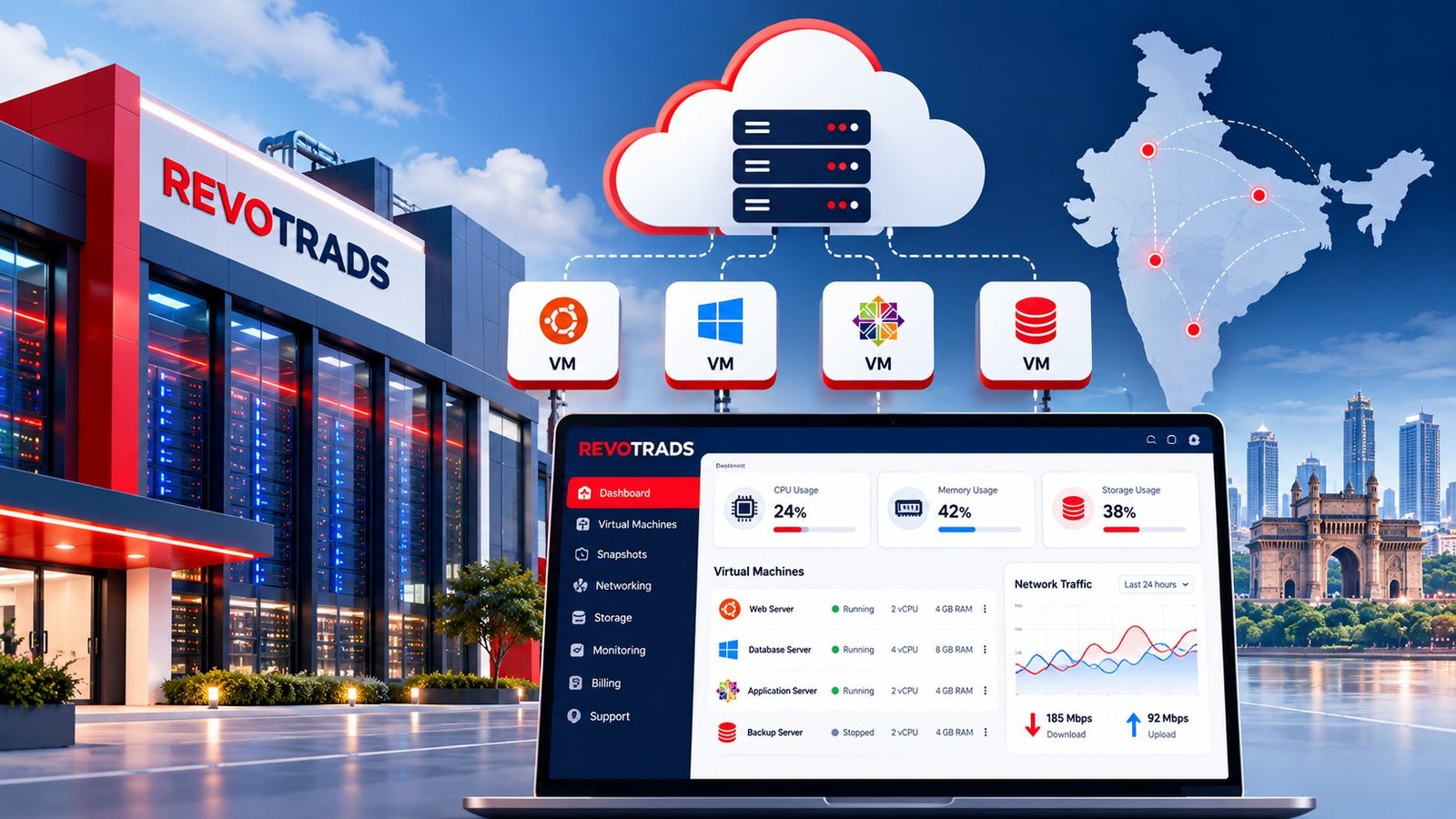
A Virtual Machine (VM) is essentially a software-based simulation of a physical computer. It operates on an isolated basis within a physical machine, relying on a hypervisor to manage multiple instances efficiently. Here’s what you need to know about VMs:
- Isolation: Each VM functions independently and does not interfere with others running on the same hardware.
- Flexibility: VMs can run different operating systems on the same physical server.
- Resource Allocation: The hypervisor allocates resources such as CPU, memory, and storage to each VM.
What is a Virtual Private Server (VPS)?
A Virtual Private Server (VPS) is a specialized form of VM hosting. It blends the benefits of both dedicated and shared hosting by running multiple websites on the same server without interfering with each other:
- Cost-Effective: Offers a more economical solution than having a dedicated server.
- Balance: Provides a balance between cost, performance, and control.
- Scalability: Easily adjust server resources based on demand.
Key Differences Between VM Hosting and VPS
1. Usage and Purpose
Understanding the use cases for each can guide your decision:
- VM Hosting: Ideal for larger, more complex applications needing isolated environments and multiple operating systems.
- VPS: Suitable for growing businesses looking for cost-effective solutions with added control over their environment.
2. Performance
The performance of your cloud infrastructure might directly affect your business:
- VM Hosting: Offers stable performance with dedicated resources, especially for mission-critical applications.
- VPS: While it is highly effective, performance might vary based on the server load and configuration shared with other VPS accounts.
3. Cost Considerations
Cost can often be the deciding factor for many businesses when choosing between VM Hosting and VPS:
- VM Hosting: Tends to be more expensive due to the dedicated nature and customizable environment it provides.
- VPS: More budget-friendly, making it the go-to choice for small to medium enterprises.
Advantages and Disadvantages
Virtual Machine Hosting
- Advantages:
- Complete isolation and security.
- Full control over the server environment.
- Ability to run varied and complex applications.
- Disadvantages:
- Higher cost relative to other hosting services.
- Requires expertise to manage effectively.
Virtual Private Server
- Advantages:
- Cost-effective solution for medium enterprises.
- Scalable solutions as business grows.
- Shared but isolated environment enhances efficiency.
- Disadvantages:
- Not ideal for high-traffic websites due to shared nature.
- Performance can vary based on server load.
When to Choose VM Hosting Over VPS and Vice Versa
Choosing between these two forms of hosting isn’t merely about the technology but about the needs and scale of your business. Here are some scenarios to consider:
Choose VM Hosting When:
- You require high levels of security and compliance.
- Running complex applications across different operating systems is necessary.
- Long-term planning involves significant growth in infrastructure.
Opt for VPS If:
- You are a small to medium business concerned about initial costs.
- You need scalability but don’t require a different OS for different applications.
- Your business plans do not include requiring significant computational resources in the near future.
Conclusion
The evolution of cloud infrastructure has brought numerous options to the table. Both VM Hosting and VPS offer significant benefits depending on the nature of your business and technical requirements. VMs provide robust solutions for complex and extensive application needs, while VPS offers versatile and cost-effective solutions for many growing businesses. Understanding your business goals, budget, and capability will guide you to the best choice in this cloud-driven world.
By leveraging the latest advancements in cloud technology, you can ensure that you are building a strong infrastructure that appreciates scalability, security, and performance, ultimately aligning with your business goals.