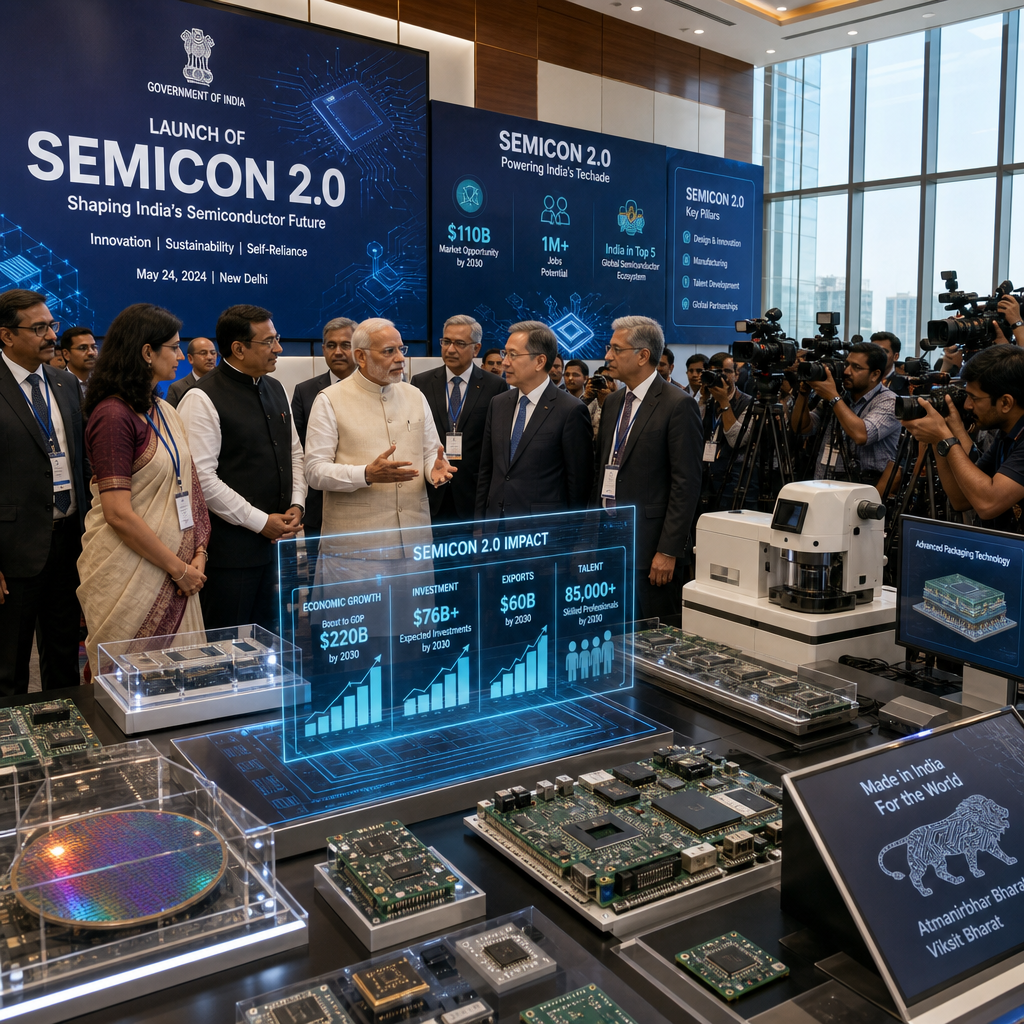
The semiconductor industry is the backbone of modern technology, fueling innovations from smartphones to supercomputers. Recognizing its pivotal role, governments worldwide are striving to strengthen their semiconductor sectors. In an exciting development, the government has launched Semicon 2.0, a revolutionary initiative aimed at boosting the semiconductor industry.
Understanding Semicon 2.0
Before we delve into what Semicon 2.0 offers, let’s understand what this initiative encapsulates. At its core, Semicon 2.0 is a government policy designed to enhance the capability and capacity of the semiconductor industry. This move comes in the wake of increasing demand for semiconductors and the global chip shortage, which has affected multiple sectors.
The Importance of Semiconductors
Here’s why semiconductors are critical:
- Innovation Driver: Semiconductors are essential for technological advancements across various industries, including electronics, automotive, and aerospace.
- Economic Growth: A robust semiconductor industry can drive significant economic growth and job creation.
- Strategic Asset: In a digitized world, controlling the semiconductor production pipeline is of strategic importance to national security.
Objectives of Semicon 2.0
Semicon 2.0 has clear objectives aimed at propelling the industry forward:
- Increased Production: Expand domestic semiconductor manufacturing to meet both local and global demand.
- Investment Incentives: Attract foreign and domestic investments through favorable policies and taxation benefits.
- Research & Development: Encourage R&D activities to foster innovation and next-generation semiconductor technologies.
- Building Talent: Develop a skilled workforce adept in semiconductor technology through educational and training programs.
Key Features of Semicon 2.0
The announcement of Semicon 2.0 brings several significant features to the table that could transform the semiconductor landscape:
Government Financial Support
One of the cornerstones of Semicon 2.0 is substantial financial support. The government plans to offer heavy subsidies to semiconductor companies willing to set up their manufacturing units. This financial assistance will help streamline production processes and increase output.
Incentives for Startups
Startups are the harbingers of innovation. Semicon 2.0 has dedicated policies to support startup ecosystems within the semiconductor domain, providing seed funding, access to cutting-edge technology, and mentorship support from industry veterans.
Infrastructure Development
Manufacturing semiconductors is an infrastructure-intensive process. To facilitate this, the initiative prioritizes the development of state-of-the-art fabrication plants and cleanrooms. Additionally, the plan includes establishing technology parks to foster innovation.
Benefits of Semicon 2.0
Semicon 2.0 is designed not only to strengthen the semiconductor industry but also to bring wide-ranging benefits for the nation:
Economic Impact
With increased production capacity and job creation, the initiative promises to provide a significant boost to the economy. By tapping into the semiconductor manufacturing market, the country can enhance its GDP and secure its position as a global player in the technology sector.
Enhanced Global Competitiveness
This strategic move positions the country to compete globally as a major hub for semiconductor manufacturing. By capitalizing on government support and incentives, local companies can better integrate into the global supply chain, driving exports and strengthening trade relations.
Challenges and the Road Ahead
While Semicon 2.0 is laudable, there are challenges to navigate:
Supply Chain Dependencies
Reducing reliance on certain raw materials, traditionally imported, remains a challenge. Developing local sources or alternatives is crucial to overcome this.
Technological Advancements
Keeping pace with rapid technological advancements demands continued R&D investment and international collaborations to stay ahead.
Environmental Considerations
Given the environmental impact of semiconductor manufacturing, implementing sustainable practices will be key in addressing environmental concerns.
Conclusion
The launch of Semicon 2.0 heralds a promising era for the semiconductor industry. With strong government backing, the vision of transforming the country into a semiconductor powerhouse appears achievable. Stakeholders from different sectors must collaborate effectively to overcome challenges and realize the true potential of this groundbreaking initiative. The journey may be complex, but Semicon 2.0 marks a crucial first step in an exciting direction, propelling not only technological advancement but also substantial economic and social prosperity.
As the world keeps evolving, initiatives like Semicon 2.0 enhance a nation’s capability to stay competitive and innovative, securing its role in the ever-evolving global tech landscape.