For construction companies, managing heavy equipment and machinery can be a complex and time-consuming task. With multiple projects and numerous machines on the go, it’s easy for assets to be misplaced, stolen, or simply forgotten. This can result in costly downtime, replacement expenses, and project delays.
One of the most effective ways to prevent these issues is by utilizing construction asset tracking software. This technology enables you to track your equipment in real-time, ensuring that no asset goes missing and that your fleet is always ready for use when you need it most. In this article, we explore the importance of tracking every piece of equipment and machine on your construction sites and how the right asset tracking system can optimize your operations.
Why Tracking Equipment is Essential
Construction equipment is a significant investment. Whether it’s heavy machinery, power tools, or vehicles, these assets can cost thousands of dollars, and misplacing them can result in substantial financial loss. Here are several reasons why tracking your equipment is crucial for your business:
- Prevention of Loss and Theft
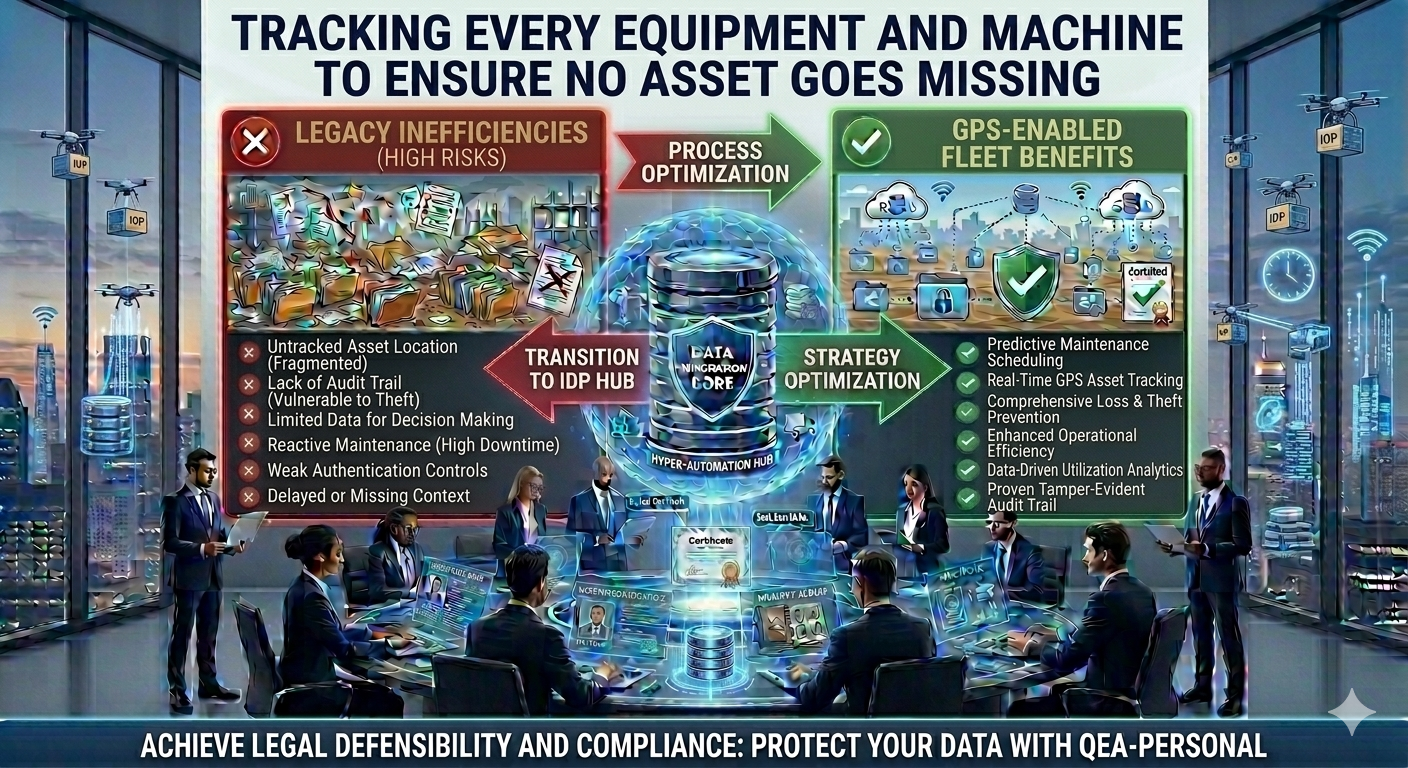
Equipment theft is a common issue on construction sites, and without proper tracking, it can take weeks or even months to realize that an asset is missing. With GPS-enabled construction asset tracking software, you can easily locate your assets in real-time, significantly reducing the risk of theft. Additionally, many tracking systems send alerts if equipment moves outside designated zones, allowing for swift intervention. - Improved Equipment Utilization
Knowing where each piece of equipment is located helps you make data-driven decisions about which machine to deploy to a particular job site. You can avoid unnecessary equipment purchases and maximize the utilization of existing assets. Tracking software provides detailed data on equipment usage, allowing you to identify underutilized machines and allocate resources more effectively. - Reduced Downtime
Downtime due to missing or malfunctioning equipment can have a significant impact on your project’s schedule and profitability. With real-time tracking, you can ensure that equipment is always available and in the right place at the right time. Furthermore, asset tracking software integrates with maintenance scheduling, allowing you to address issues before they lead to unexpected breakdowns.
How Construction Asset Tracking Software Works
Construction asset tracking software integrates GPS, telematics, and other IoT technologies to provide real-time location and status updates on all your equipment. Here’s how it works:
- GPS Tracking
Each asset is equipped with a GPS device that continuously reports its location. This enables you to monitor the position of every piece of equipment on your construction site from a centralized dashboard. With GPS tracking, you can easily locate equipment, even if it’s been moved to a remote area. - Telematics for Performance Data
In addition to location tracking, telematics provide performance data about your equipment. This includes information such as fuel usage, engine hours, speed, and maintenance alerts. This data helps you monitor how efficiently your machines are running, allowing you to schedule maintenance before problems occur and reduce unnecessary fuel consumption. - Asset Management and Reporting
Asset tracking software also offers comprehensive asset management features, such as keeping detailed records of each machine’s maintenance history, location history, and usage data. Customizable reports can be generated to help you analyze trends, track costs, and make more informed decisions about asset allocation and replacement.
Key Benefits of Asset Tracking for Construction Companies
Tracking every piece of equipment and machine on your job sites can have a profound impact on your business. Here are the key benefits of construction asset tracking software:
1. Increased Accountability
With real-time tracking, employees are held accountable for the equipment they use. Asset tracking software allows you to monitor who is operating which equipment and when, ensuring that tools and machines are properly maintained and returned to the correct location at the end of each day. This level of accountability minimizes misuse or misplacement of assets.
2. Improved Maintenance Management
Regular maintenance is essential to keeping equipment in good working condition. Tracking systems can send automated maintenance reminders based on equipment usage, such as after a certain number of operating hours. This helps prevent unexpected breakdowns and extends the life of your equipment. By staying on top of repairs and service needs, you can avoid costly repairs and maximize your equipment’s lifespan.
3. Cost Savings
Implementing asset tracking software can save your business significant money in several areas. First, you can avoid purchasing unnecessary new equipment by maximizing the utilization of your existing fleet. Second, by preventing theft and minimizing downtime, you can keep your projects on schedule, avoiding costly delays. Finally, reducing fuel consumption and maintenance costs through better tracking and management contributes to long-term savings.
4. Better Inventory Control
Keeping track of equipment inventory is crucial for project planning. With asset tracking, you’ll always know the exact number and location of each item in your fleet. This eliminates the need for manual inventory counts and ensures that you always have the equipment you need, when you need it. Moreover, if an asset is due for maintenance or replacement, you can make timely decisions and keep your projects moving forward smoothly.
5. Simplified Compliance
In some jurisdictions, certain equipment may require inspections, certifications, or other regulatory compliance measures. With asset tracking software, all of your equipment’s compliance records are stored in one place, making it easy to stay up-to-date with the required documentation. Automated alerts will notify you when equipment is due for an inspection or certification renewal, helping you avoid fines and downtime.
Choosing the Right Construction Asset Tracking Software
When selecting construction asset tracking software, there are a few key factors to consider:
- Ease of Use
The software should be user-friendly, with an intuitive interface that your team can easily navigate. Look for software that offers clear dashboards and simple reporting features that make it easy to track and manage your equipment. - Integration Capabilities
Ideally, the asset tracking system should integrate with your existing equipment management software, project management tools, and financial software. This creates a seamless workflow and ensures that all data is accessible from a single platform. - Scalability
Choose software that can grow with your business. As your fleet expands, you want a system that can handle an increasing number of assets without losing functionality. - Real-Time Updates
Look for software that offers real-time tracking and instant updates on equipment location, status, and performance. Real-time data ensures you can respond quickly to issues and make timely decisions to optimize operations.
Conclusion
The construction industry depends on a wide range of heavy equipment and machinery, and keeping track of all assets is crucial for maintaining efficiency, reducing costs, and preventing losses. Construction asset tracking software provides the tools needed to manage your equipment fleet, offering real-time location monitoring, performance data, maintenance scheduling, and comprehensive reporting. By integrating this technology into your operations, you can improve accountability, maximize asset utilization, reduce downtime, and ultimately save money.
In a fast-paced industry where time is money, keeping your equipment on track is the key to staying ahead of the competition. Whether you’re managing a small team or overseeing multiple large-scale projects, tracking every asset ensures that your equipment is where it needs to be when it’s needed most.