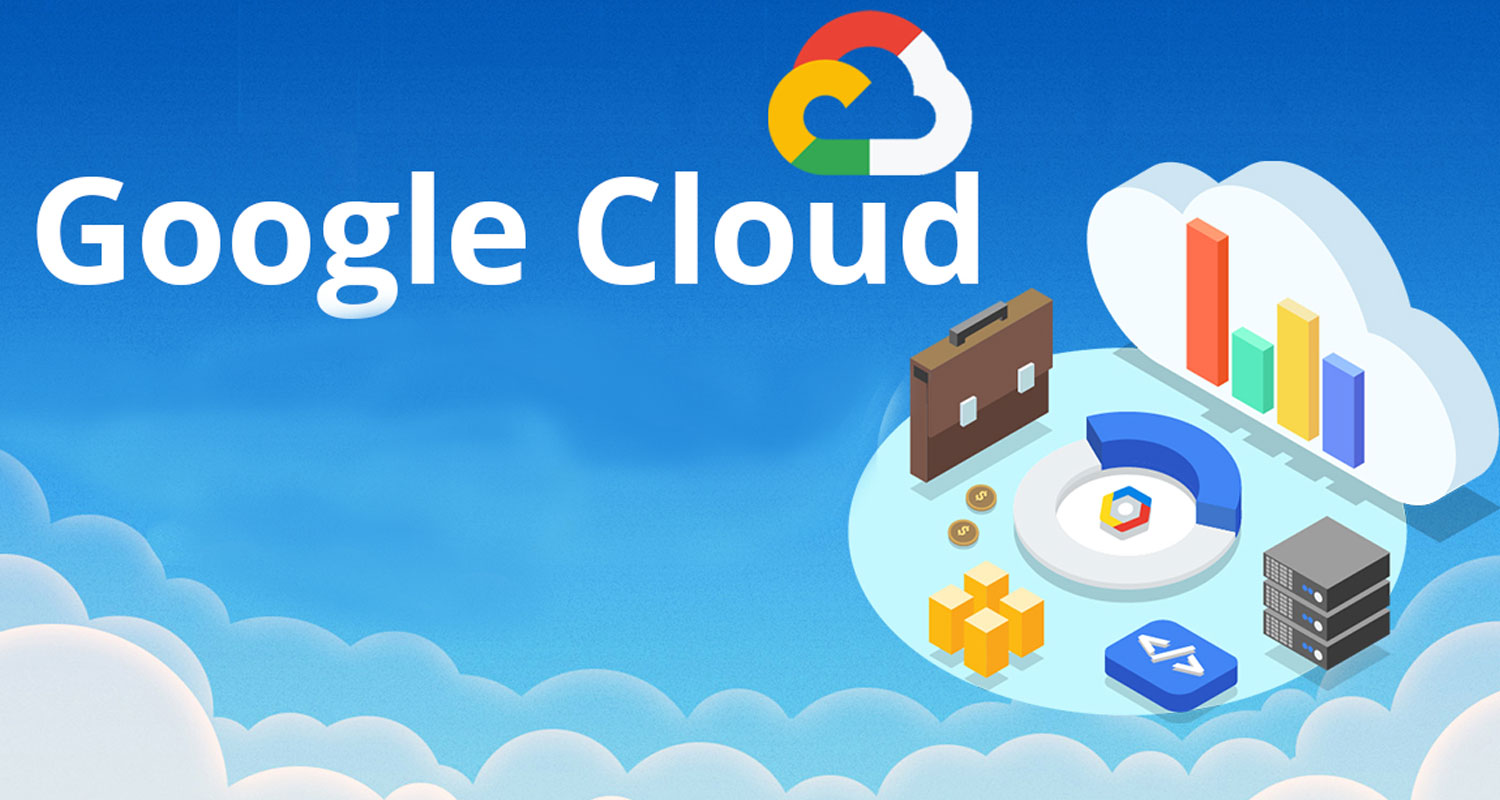
Remote data maintenance is now a top IT priority. With employees working in hybrid and distributed setups, organizations need reliable, scalable, and cost-effective cloud storage. Google Cloud Storage (GCS) offers anytime and anywhere access, making it one of the best cloud storage providers for business in India and across the globe.
What makes GCS stand out in 2025?
- Updated Google Cloud Storage India pricing 2025 for cost efficiency
- Tight integration with Google Workspace (Gmail, Drive, Docs, Meet)
- AI-driven automation with Gemini for smarter file management
- Robust security and compliance for sensitive workloads
Google Cloud Storage India Pricing 2025
Pricing updates have been a key factor in driving adoption. Businesses in India now benefit from flexible tiers designed for different use cases.
| Storage Class | Price / GB / Month (India, 2025) | Best For |
| Standard | ~₹1.90 | Daily access (documents, apps, live projects) |
| Nearline | ~₹1.20 | Data accessed monthly (financial reports, HR files) |
| Coldline | ~₹0.70 | Archival with occasional access (compliance docs) |
| Archive | ~₹0.25 | Long-term retention (legal, healthcare records) |
Businesses adopting the best cloud storage provider for business like Google Cloud Storage can cut 30–40% of storage costs compared to on-prem infrastructure.
Key Highlights of Google Cloud Storage
| Feature | Benefit |
| Cost Efficiency | Save on hardware, cooling, manpower. Cloud storage scales with your business. |
| Seamless Google Workspace Integration | Store Gmail attachments directly in Drive, collaborate on Docs/Sheets/Slides, and back up Meet recordings automatically. |
| Universal Access | Secure access from laptops, tablets, or smartphones. |
| Disaster Recovery | 99.95% uptime SLA ensures quick recovery during outages. |
| Security & Compliance | End-to-end encryption and certifications (ISO, HIPAA, GDPR). |
Uploading Data to Google Cloud Storage
1. Small Files (≤20 MB)
Use JSON API with Google App Engine (GAE). Ideal for quick uploads of docs or images.
2. Medium to Large Files (20 MB – 1 GB)
Leverage JSON API with Firebase App Engine NodeJS for resumable uploads.
3. Very Large Files (>1 GB)
Use resumable uploads via the GCS API + NodeJS Firebase. Perfect for big data or video content.
4. Google Cloud Console UI
Drag-and-drop interface for transferring files between buckets, including Amazon S3 to GCS.
5. Cloud Functions Automation
- Auto-upload logs daily
- Delete outdated files automatically
- Trigger backups on schedule
Google Cloud Storage Use Cases
| Use Case | Example Scenario | Value Delivered |
| Backup & Disaster Recovery | Protect against earthquakes, floods, or outages | Ensures business continuity |
| Google Workspace Integration | Save Gmail attachments or collaborate on Drive | Boosts productivity |
| Big Data & Analytics | Store TBs of structured/unstructured data | Fuels AI/ML insights |
| Media Streaming | Host videos or user content | High performance delivery |
| Cross-Regional Collaboration | Global project sharing | Centralized access, reduced silos |
Customer Testimonials
- “With GCS, our Google Workspace apps run seamlessly, and we cut infra costs by 40%.” — Tech Startup, Bangalore
- “Disaster recovery using Google Cloud Storage was a game-changer — downtime dropped from 12 hours to under 30 minutes.” — Manufacturing Enterprise, Pune
- “The combination of GCS and Workspace has transformed collaboration across our offices.” — Healthcare IT Firm, Hyderabad
Comparison: Google Cloud Storage India Pricing 2025 vs On-Prem Storage Costs
| Parameter | Google Cloud Storage India Pricing (2025 Estimate) | Typical On-Premises Storage Cost (India, Mid-Sized Enterprise) |
|---|---|---|
| Storage Class / Tier | Standard / Hot Storage (~₹1.70-₹1.90 / GB / month) · Nearline / Cold Storage (~₹0.80-₹1.20 / GB / month) · Archive / Deep storage (~₹0.20-₹0.50 / GB / month) | Primary storage disks / SAN/NAS (HDD or SSD) capital cost, depreciation, plus maintenance (disk replacements, controllers) |
| Upfront Capital Expenditure (CapEx) | Very low to none — you pay monthly fees; minimal initial setup (configuration, possibly migration) | High CapEx: hardware purchase (storage arrays, SAN/NAS boxes), servers, controllers, RAID equipment, disks, possibly cooling & UPS systems |
| Ongoing Operational Costs (OpEx) | Monthly storage fees; charges for bandwidth/egress; API requests; maintenance handled by cloud provider; power/cooling included in provider cost structure | Utilities (power, cooling); facilities (space, racks); IT staff; maintenance & repair; software licenses; periodic hardware refresh and depreciation |
| Scalability | Very flexible; scale up/down as per usage; pay-as-you-grow model; cheaper for spikes or variable load | Scaling requires buying additional hardware, space, possibly downtime; risk of over-provisioning to accommodate future needs |
| Redundancy / Disaster Recovery | Usually built in: multi-region/multi-zone replication, backups, SLA guarantees (e.g. 99.9+% uptime) | Additional costs to implement redundancy: replicated storage, backup hardware, off-site backup, disaster recovery, etc. |
| Total Cost for Example Volume (100 TB, Mixed Access) | Approximate monthly cost for Standard/Hot tiers: 100 × ₹1.80 = ₹18,000 / month (or more depending on access patterns) + egress & request charges | Upfront hardware & infrastructure cost might run into lakhs or crores (depending on quality) + monthly recurring costs (staff, energy, maintenance) which often make TCO over 3-5 years significantly higher than cloud cost for variable or mixed workloads |
| Flexibility of Access & Management | Cloud providers offer APIs, UI, CLIs, lifecycle policies, versioning, global access | On-prem is local; remote access typically adds complexity and cost; lifecycle policies/manual processes; scaling & managing updates can be slower |
Assumptions & Notes
- The cloud pricing values are estimates drawn from Indian providers and global clouds servicing India (~2025) based on public information.
- On-premises cost will vary greatly depending on the choice of hardware (HDD vs SSD), redundancy level, quality of infrastructure (cooling, power backup), location, and local energy costs.
- Egress/data transfer costs in the cloud, and latency or bandwidth limits, can impact cost and performance.
- For highly regulated industries or sensitive data, extra security/compliance overhead may raise both cloud and on-prem costs.
Key Insights
- For mid-sized businesses, cloud storage often begins to be cheaper almost immediately, especially when you factor in variable growth and occasional usage spikes.
- On-premises makes more sense when you have extremely stable, predictable storage needs, and when you can amortize the hardware over many years — but even then, hidden operational costs (power, cooling, staff, maintenance) add up.
- Cloud gives flexibility, built-in disaster recovery, and less managerial overhead, which is attractive to businesses focusing on core competencies rather than infrastructure management.
Conclusion
In 2025, choosing the best cloud storage provider for business is about more than cost. With Google Cloud Storage, companies gain:
- Competitive India pricing (2025 updates)
- Full integration with Google Workspace
- AI-powered file management
- Reliable disaster recovery
Whether you’re a startup, SMB, or large enterprise, adopting Google Cloud ensures that your business stays resilient, secure, and ready for growth.
👉 If you’re comparing Google Cloud Storage India pricing 2025 with other providers, GCS stands out as the most flexible and business-ready option today.
FAQ on Google Cloud Storage (2025)
1. What is Google Cloud Storage pricing in India 2025?
As of 2025, Google Cloud Storage pricing in India is approximately:
- Standard Storage: ~₹1.90 per GB/month
- Nearline Storage: ~₹1.20 per GB/month
- Coldline Storage: ~₹0.70 per GB/month
- Archive Storage: ~₹0.25 per GB/month
This tiered pricing allows businesses to optimize costs based on how often they need to access data.
2. Is Google Cloud Storage the best cloud storage provider for business in India?
Yes, many IT leaders consider Google Cloud Storage (GCS) to be among the best cloud storage providers for business in India because of:
- Cost efficiency with flexible pricing models
- Seamless integration with Google Workspace
- Strong disaster recovery and compliance features
- Global infrastructure with 99.95% uptime SLA
3. How does Google Cloud Storage integrate with Google Workspace?
Google Cloud Storage integrates tightly with Google Workspace apps like Gmail, Drive, Docs, Sheets, and Meet. For example:
- Gmail attachments can be stored directly in GCS or Drive
- Meet recordings are automatically saved in Drive (backed by GCS)
- Docs and Sheets can be stored in GCS buckets for enterprise-level scalability
This makes it easier for teams to collaborate while ensuring enterprise-grade data management.
4. Can I use Google Cloud Storage for disaster recovery?
Absolutely. GCS is designed with multi-region replication and high availability. In case of a disaster such as a power outage, flood, or earthquake, businesses can quickly restore operations. Many companies in India have reduced downtime from hours to minutes by adopting Google Cloud Storage for backup and disaster recovery.
5. Which Google Cloud Storage class should I choose for my business?
It depends on your usage:
- Standard Storage: Best for frequently accessed data (daily workflows, live apps).
- Nearline Storage: Suitable for monthly access (financial reports, compliance files).
- Coldline Storage: Best for quarterly access (audit data, archived backups).
- Archive Storage: Cheapest option, designed for long-term storage (regulatory compliance, healthcare data).
6. Why is Google Cloud Storage cost-efficient for Indian businesses?
With the updated Google Cloud Storage India pricing 2025, businesses no longer need to invest in physical servers, cooling, or manpower for data maintenance. Instead, they pay only for the storage they use, reducing annual IT infrastructure costs by up to 35–40%.
7. Can startups and small businesses benefit from Google Cloud Storage?
Yes, startups and SMBs in India are rapidly adopting GCS because:
- No upfront infrastructure cost
- Pay-as-you-go model
- Easy scalability as the business grows
- Integration with free/low-cost Google Workspace plans
8. How secure is Google Cloud Storage?
Google Cloud Storage offers enterprise-grade security with features like:
- Default encryption of data at rest and in transit
- Identity and Access Management (IAM) controls
- Compliance with standards such as ISO, HIPAA, and GDPR
This makes it safe for industries handling sensitive data like finance, healthcare, and education.