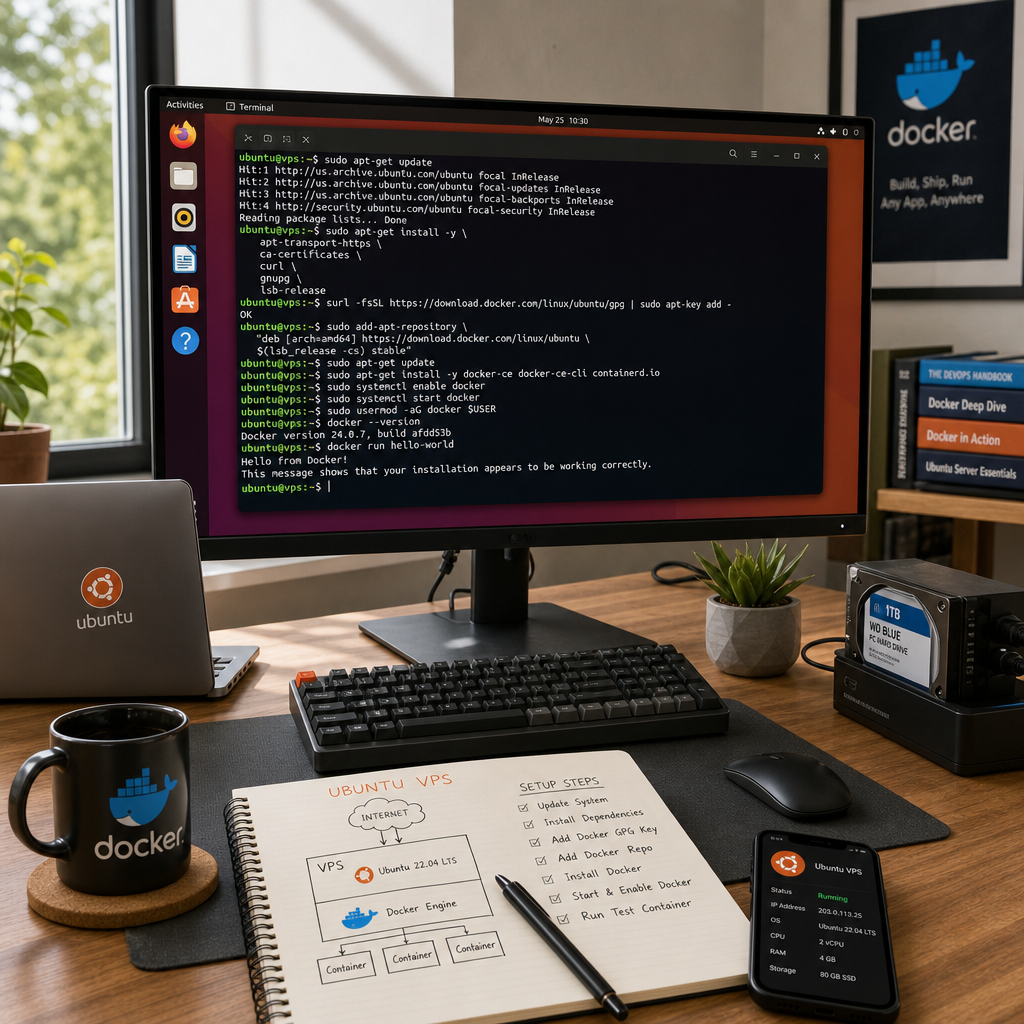
The emergence of the cloud has fundamentally altered the IT sector and attracted the attention of everyone around the globe. It is more important than ever as organizations switch from conventional hosting to cloud hosting. VPS or virtual private server hosting is steadily gaining popularity in the online environment, despite shared hosting and dedicated hosting being some of the most popular forms of hosting.
Because it offers a balance of administrative control, configuration freedom, and expert support, managed VPS hosting is a great hosting solution. By offering a completely managed environment in which the hosting provider takes care of all technical aspects and server maintenance, managed VPS hosting maximizes the benefits of VPS hosting. This article will define Managed VPS Hosting, describe how it differs from shared hosting, list its key benefits, and argue for the adoption of Managed VPS Hosting by businesses of all sizes.
- VPS platforms make up more than 10% of the global web hosting industry, according to data collected from various surveys
- Numerous research and surveys predict that the VPS market will increase at a CAGR of 16.2% to $8.3 billion by 2026.
- 88% of customers choose VPS service providers that deliver a high-performance and enhanced user experience
These stats completely justify the emergence and growing popularity of VPS Hosting around the globe. Since India is an emerging superpower, many tech-based startups and tech giants are opting for VPS hosting in India. In this blog, we will have a look at VPS Hosting along with some of its major benefits that are supporting its success.
Understanding Managed VPS Hosting
Managed VPS hosting is a hosting option that partitions a real server into several virtual private servers using virtualization technologies. With its own exclusive resources, such as CPU, RAM, and storage, each VPS runs separately. The word “managed” denotes that the hosting company handles server upkeep, security, and upgrades, freeing you to concentrate on your website or business without having to worry about complicated technical issues. A VPS performs as a small dedicated server inside a larger physical server, to put it simply. In comparison to shared hosting, it is less costly and offers more control, flexibility, and isolation.
Managed VPS Hosting’s Rise
While regular VPS hosting has many advantages, it also necessitates a certain amount of technical know-how to efficiently operate and maintain the server. Here, managed VPS hosting emerges as a ground-breaking remedy.
With managed VPS hosting, the server management is handled by the hosting company, freeing you up to concentrate on your business. Regular upkeep, security upgrades, server monitoring, and technical assistance are all included in this. It combines the benefits of VPS hosting with assistance to make sure your server operates well.
Difference between Shared Hosting, Dedicated Hosting, and VPS Hosting
Shared Hosting
In the case of Shared hosting, multiple users share the same server resources, and the resources are not solely allocated to any particular organization. It may have performance problems even though it is economical if other users on the same server utilize a lot of resources.
Dedicated Hosting
Customers that use dedicated hosting, get access to a whole physical server that is used just for their website but is managed, owned, and maintained by the service provider. For many firms, this is expensive and perhaps unnecessary, but it provides the best performance and control.
VPS Hosting
VPS Hosting delivers dedicated resources in a shared environment and provides a middle ground between shared and dedicated hosting. Dedicated hosting offers users more customization and control options than shared hosting, but shared hosting is less expensive.
Advantages and Benefits of Managed VPS Hosting
Increased Security
An essential component of managing a profitable blog and online company is website security. Improved website security is a given when you choose fully managed VPS hosting. Imagine your website being hosted at a remote location using your own resources, with a watchful eye on things to make sure everything is running well.
You hire experts to take care of all security-related problems and duties, including audits, security patches, and preventing malware attacks. You are in charge of your website’s security in an unmanaged environment. Installing firewalls and upgrading security patches are two activities that you will probably have to spend more time on your own, not to mention that they are laborious.
Round-the-clock Assistance
Every cloud-hosted website experiences occasional technical issues of one kind or another. You can be certain that you will always have someone to get in touch with in the event that these problems arise when you have a fully managed VPS account. Depending on the customer support methods offered, you can contact a committed expert by phone, chat, or email to get assistance with your problems or inquiries.
They will typically be able to assist you relatively immediately. This is helpful if you want to avoid having any downtime on your website. Additionally, prompt customer service keeps small problems from turning into big ones.
Economical and Cost-Effective
A fully managed VPS hosting plan is an affordable option when you consider the advantages listed above combined with the hosting expense. As opposed to the cost of employing a technical professional, you pay comparatively less for things like server upkeep.
Having a strategy like this is invaluable, especially considering the expensive fees that specialists demand. Although it can appear pricey at first, it is practical and inexpensive in the long term.
Enhanced maintenance and monitoring of servers
Having your server watched on a regular basis is maybe the finest advantage of having a fully managed VPS hosting package. With managed VPS hosting, every part of the server that hosts your blog is closely watched and inspected on a regular basis. This covers network traffic, server hardware, CPU use, memory and disk utilization, and backups and data recovery.
As a result, you always receive peak performance. In contrast, if you host on an unmanaged VPS plan, you are solely responsible for all server maintenance. You may need to engage a technical specialist if you don’t have the necessary expertise, which will probably increase your costs.
Access to the Latest Advancements
Businesses may constantly access the newest technical breakthroughs thanks to managed VPS hosting. To guarantee peak performance and security, the cloud hosting provider changes the server software and hardware on a regular basis.
This implies that companies may profit from the newest technology without having to deal with the expenses and hassles of maintaining it themselves. As a result, there are lower capital and running costs for upgrades, upkeep, and troubleshooting.
Summing up
To sum up, managed VPS hosting is a revolutionary approach to cloud hosting that bridges the divide between shared and dedicated hosting. The dynamic transition to cloud-based infrastructures has increased the need for hosting solutions that provide a sensible mix of flexibility, control, and knowledgeable support. Managed VPS hosting has become a shining example of this balance, giving companies an environment in which the hosting provider handles the technical details while businesses concentrate on their core competencies and expansion.
With a substantial portion of the market share and a potential development trajectory, VPS hosting has cemented its place in the web hosting sector. Numerous customers have been drawn to it because of its increased user experience, affordability, and flexibility. Startups and well-established digital companies are increasingly using VPS hosting, especially in places like India where the tech scene is changing quickly.
Some notable benefits of managed VPS hosting are increased security, 24/7 support, affordability, and improved server maintenance and monitoring. Users also gain from having access to the newest developments without having to deal with the difficulties of handling and maintaining their own technological improvements.
A strategic requirement is emerging with the use of managed VPS hosting as companies continue to traverse the digital terrain. Its capacity to combine the advantages of VPS hosting with knowledgeable assistance encourages organizations toward increased security, optimum performance, and effective scalability. In fact, managed VPS hosting is a monument to the technical wonders that enable contemporary cloud hosting, and it is set to assume an ever more important position in hosting solutions going forward.
FAQs
Q1 What is the difference between Self-Managed and Fully Managed VPS?
Answer: Self-managed VPS systems are ones in which the user can only control the operating system since they only interact with the server’s operating system. Systems that are self-managed will enable management of the server, upgrades, and troubleshooting procedures. The primary benefit of utilizing a self-managed virtual private server (VPS) is that the client maintains complete control over the server and manages it independently.
In contrast to self-managed VPS, fully managed VPS requires no customer intervention; so, it is the opposite of self-managed VPS. As a result, he is given access to the most recent upgrades in this instance, and the server network is overseen by outside experts who are qualified to handle such matters. In this sort of system, which is a form of reseller Web hosting, the customer just has to maintain the website and the operation of their online company; the Web hosting provider takes care of all technical difficulties pertaining to the server and other parts of server administration.
Q2 Is VPS hosting secure?
Answer: Yes, VPS hosting is absolutely safe. The isolation of each instance from the server’s other environments provides VPS topmost security. Your website shares resources with other websites in shared hosting setups, making it susceptible to their vulnerabilities. VPS hosting shields you against resource-hungry assaults coming from other people. Moreover, you may increase the security of your virtual server by using firewalls, antivirus programs, and other software safeguards.
For example, a denial of service (DDoS) assault attempts to bring down a website by simultaneously bombarding the server with millions of requests. The DDoS will harm your system regardless of whether it is directed at another website in a shared hosting environment. The reason for this is that the basic content of both websites is the same.
Q3 How To Choose the Best Hosting for the Business?
Answer: Both VPS and cloud server hosting offer exceptional hosting that can likely meet your needs. You can’t go wrong with either of these technologies if you select a reputable hosting company. If you want to make a simple decision without spending a long time analyzing the details of each hosting package, a VPS is likely the best option. To customize your server and ensure you have almost unlimited growth potential, go with cloud hosting.