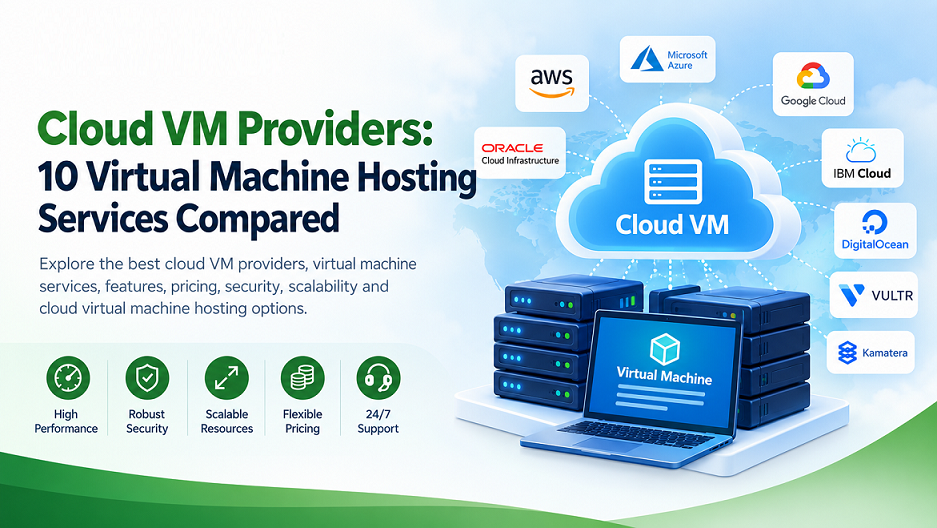
In today’s digital-first world, choosing the right web hosting service is crucial for businesses to ensure their online presence is strong, secure, and efficient. Among the most popular choices are Virtual Private Servers (VPS) hosting options, specifically Managed VPS and Unmanaged VPS. If you’re a business owner contemplating which option is best for you, this guide will help you understand the differences and choose the perfect fit for your needs.
Understanding VPS Hosting
Before diving into the comparison, it’s essential to have a basic understanding of what VPS hosting is. A VPS hosting service partitions a single physical server into multiple virtual servers. Each VPS functions autonomously, giving you dedicated resources such as CPU, RAM, and disk space. This setup provides a balance between the affordability of shared hosting and the performance of dedicated hosting.
What is Managed VPS Hosting?
Managed VPS Hosting is a type of hosting where the service provider takes on the responsibility of managing the server. This includes setup, maintenance, updates, security, and technical support. Essentially, the web hosting company acts as your own IT team, ensuring your server runs smoothly without you having to intervene constantly.
Benefits of Managed VPS Hosting
- Time-Saving: With a managed VPS, the hosting provider handles all technical aspects, allowing you to focus on your core business operations.
- Expert Support: Get access to a team of experts who are available to resolve any issues and keep your server in optimal condition.
- Enhanced Security: Regular updates and proactive monitoring help protect your server from potential threats.
- Backups and Recovery: Most managed VPS plans include automated backups, ensuring data is safe and can be recovered if necessary.
- Easy Scaling: Easily upgrade or downgrade resources depending on your business’s needs and growth.
Drawbacks of Managed VPS Hosting
- Cost: Due to the extra services provided, managed VPS hosting is generally more expensive compared to unmanaged options.
- Less Control: Some business owners may feel constrained by having less control over server settings and configurations.
What is Unmanaged VPS Hosting?
Unmanaged VPS Hosting, on the other hand, gives you full control over your server. You’re responsible for installation, management, and maintenance of all software and server configurations. This is often preferred by tech-savvy users who want complete oversight of their hosting environment.
Benefits of Unmanaged VPS Hosting
- Cost Efficiency: Typically, unmanaged VPS hosting is cheaper since you’re not paying for additional management services.
- Full Control: You have the freedom to configure the server precisely to meet your business requirements, utilizing custom scripts and applications as you see fit.
- Flexible Environment: Perfect for developers who need a tailored hosting setup to test and run their applications.
Drawbacks of Unmanaged VPS Hosting
- Required Expertise: You need significant technical knowledge to manage, configure, and troubleshoot the server effectively.
- Time-Consuming: Managing a server can be time-intensive, detracting from the time spent on business operations.
- Limited Support: Since you’re responsible for everything, support from hosting providers is minimal, usually covering only hardware-related issues.
Managed vs Unmanaged VPS: Which Should You Choose?
Choosing between managed and unmanaged VPS hosting largely depends on your business’s technical needs, budget, and available resources. Here are some factors to consider:
Budget
If your budget is limited and you have the technical capability, an unmanaged VPS hosting might be more cost-effective. However, if the potential downtime or technical issues could harm your business, investing in managed VPS could save money in the long run.
Technical Expertise
Evaluate your team’s technical expertise. If you or your team lack the necessary skills to manage a server, a managed VPS will relieve you of the burdensome technical tasks. If you have a solid technical team, unmanaged hosting may give you desired control over server configurations.
Business Focus
Market dynamics often require business owners to wear multiple hats. If your primary focus is to grow and innovate in your industry and not to wrestle with server issues, a managed VPS is probably the better option. Conversely, if part of your business involves deploying and testing complex applications, unmanaged VPS might align better with your goals.
Conclusion
Deciding whether to choose managed or unmanaged VPS hosting is fundamentally about understanding your needs and capabilities. Managed VPS is ideal for businesses looking for a hands-off approach, seamless scalability, and professional support. Unmanaged VPS is suitable for those with the technical prowess and time to manage their servers while needing cost-effective solutions. Either way, both offer flexibility and power beyond traditional shared hosting, paving the way for business growth and reliability.
If you’re still uncertain, consider your long-term business goals and how a particular hosting type can support those objectives. Remember, the right hosting solution not only enhances your website’s performance but also contributes to a better customer experience and business success.